Home & Room Additions in Santa Fe TX
Need more space? Residential home additions are a strategic way to expand without the expense and disruption of moving. TCB Remodeling And Construction specializes in seamless home additions for residential properties in Santa Fe, Texas—from single-room expansions and master suites to second-story additions and garage conversions—all tailored to fit property constraints and local building codes.
Why Additions Matter
Home additions create valuable living space without the disruption and expense of moving. Professionally designed additions integrate seamlessly with your existing home, add functional square footage, and increase property value. For Santa Fe homeowners, additions must account for coastal conditions, local building codes, and proper structural integration to ensure long-term performance and safety.
Increased Living Space
Add bedrooms, living rooms, or hobby spaces without relocating.
Improved Home Value
Thoughtful additions typically yield a strong ROI.
Personalized Layout
Design an addition to fit your lifestyle and future needs.
Avoid Moving Costs
Adding space eliminates realtor fees, moving expenses, and the disruption of selling and buying.
Code-Compliant Construction
Proper engineering ensures safe structural integration and code compliance.
Types of Additions We Build
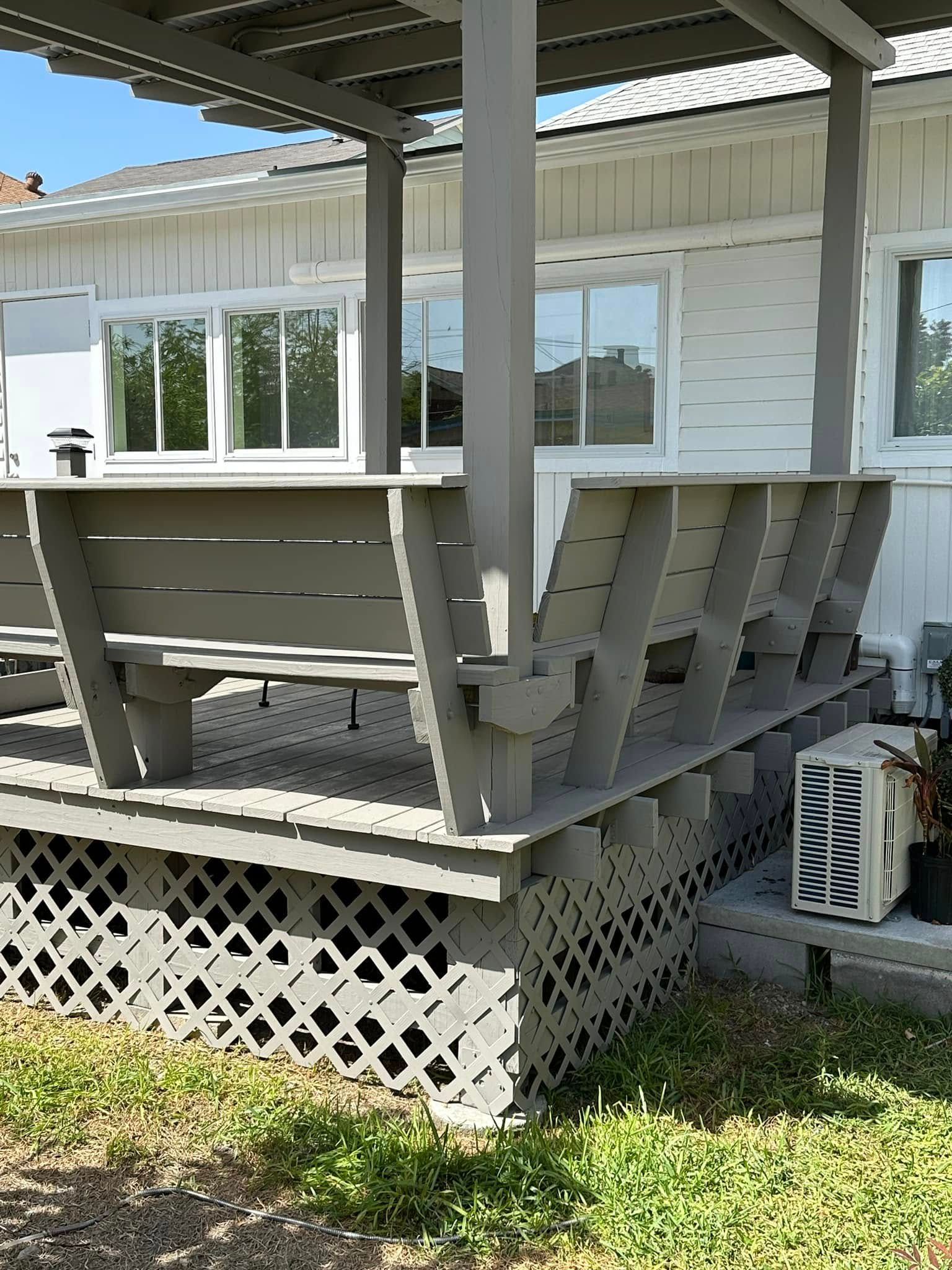
Single-Room Additions
Sunrooms, dens, home offices, mudrooms, or expanded kitchen areas.
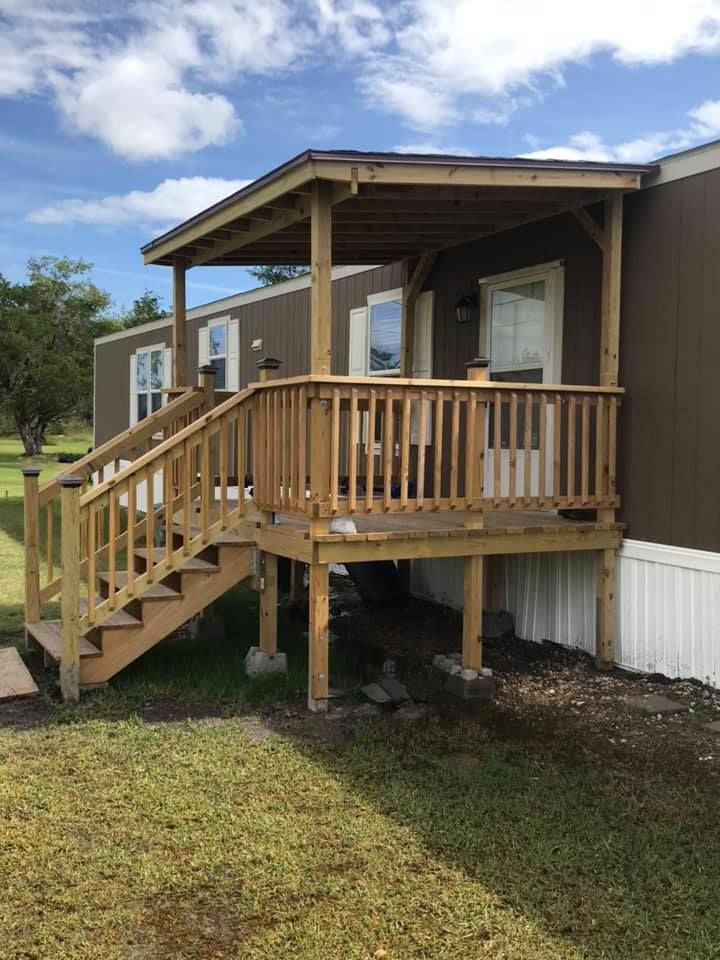
Master Suite Additions
Enlarged bedrooms with walk-in closets and private baths.
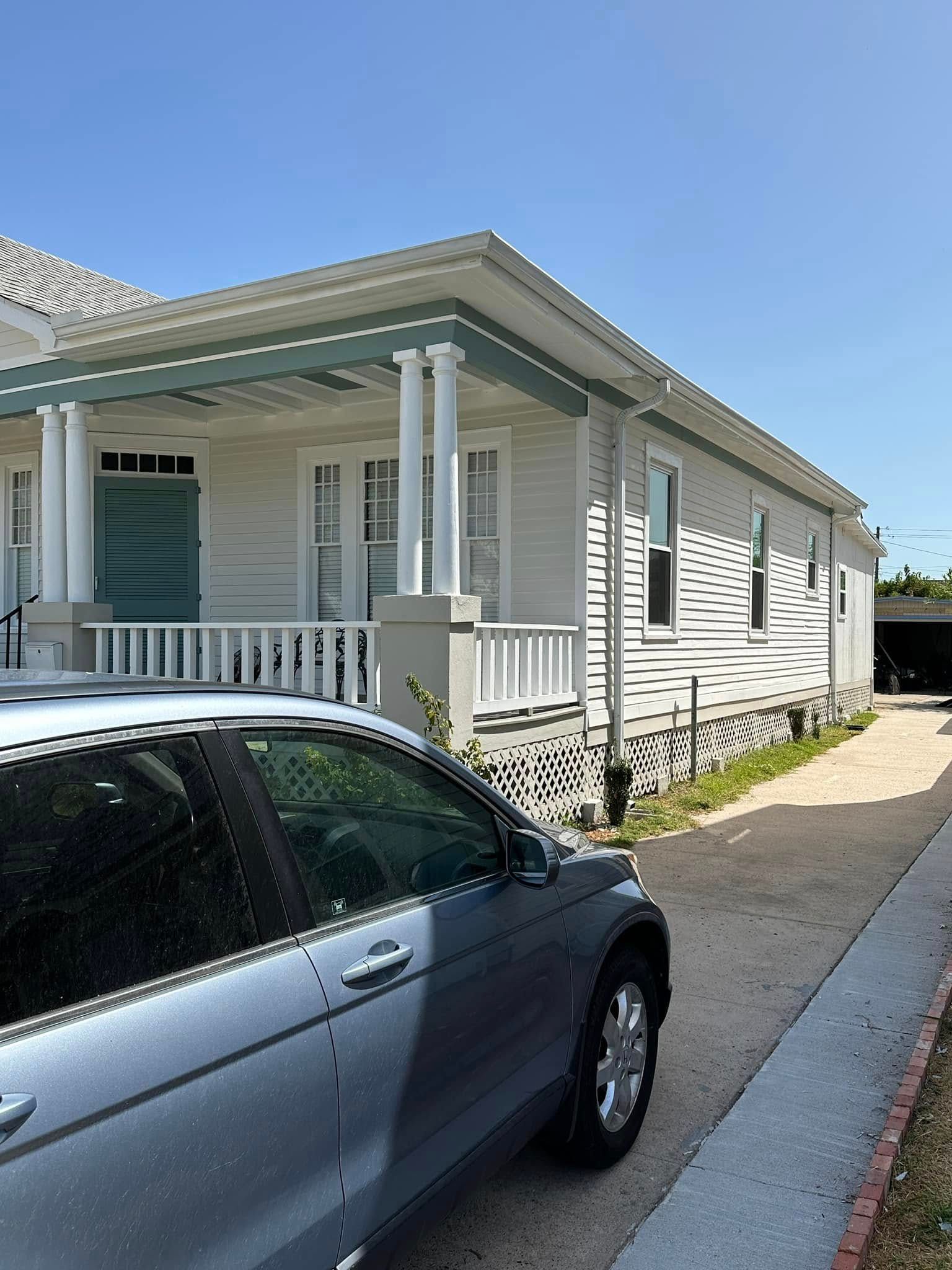
Second-Story Additions
Additional bedrooms and living spaces built above existing structures.
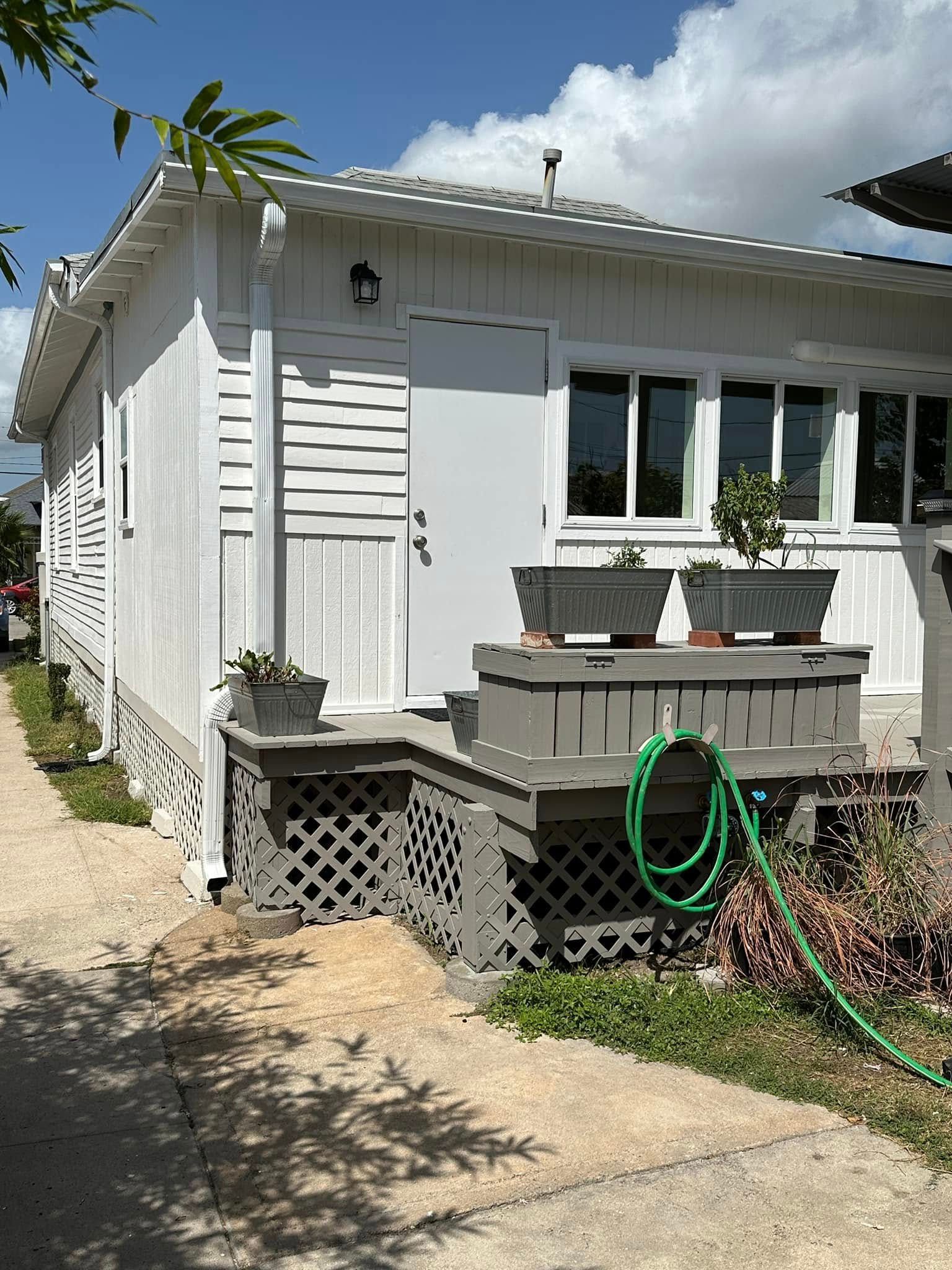
Garage Conversions & Garage Additions
Create living space or expand vehicle storage with integrated living areas above.
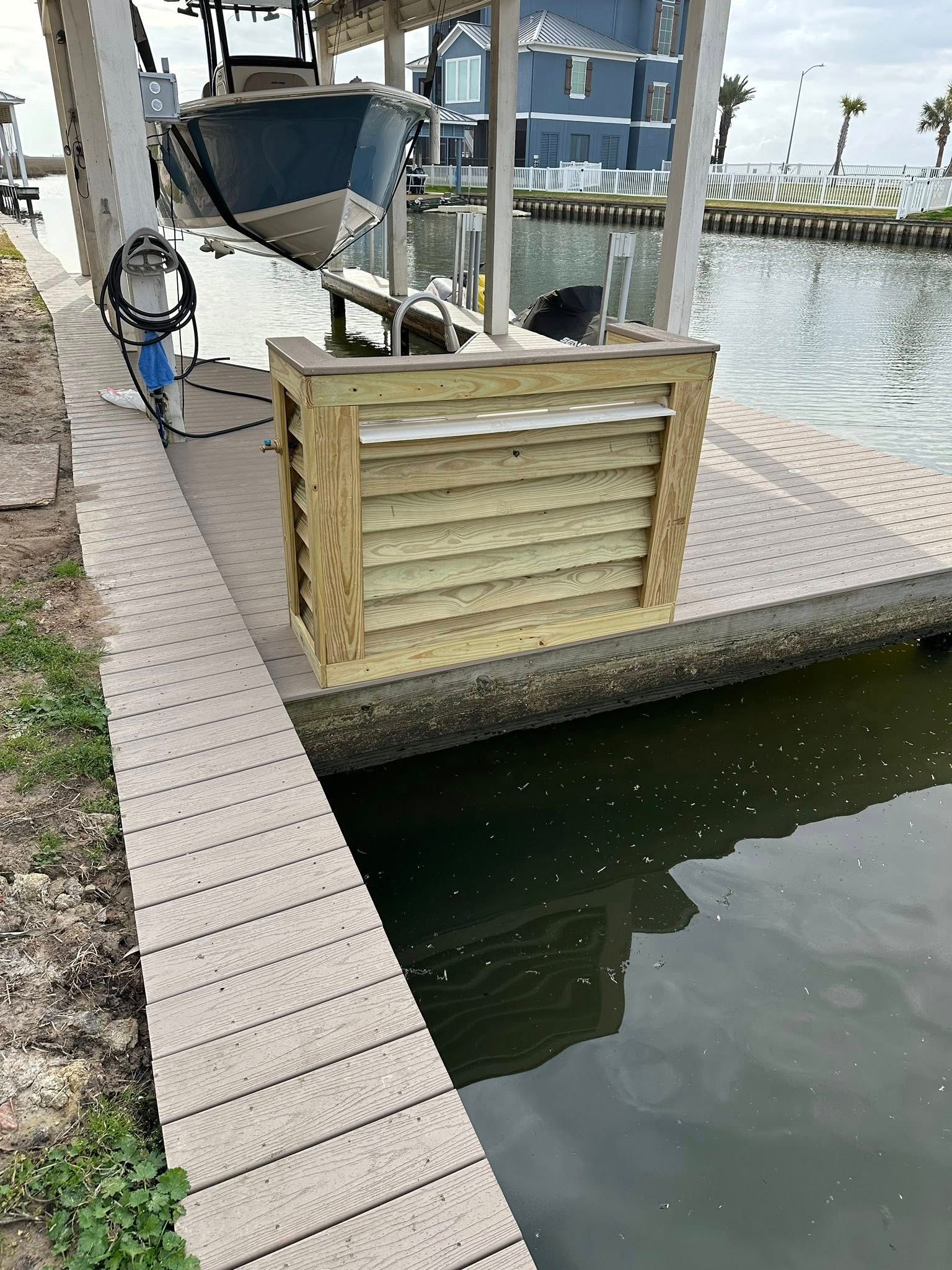
Bump-Outs
Small extensions to increase kitchen, dining, or bathroom space without full-scale expansion.
In-Law Suites & ADUs
Accessory dwelling units or connected in-law spaces that offer privacy and independence.
How We Plan and Execute Additions
Feasibility & Site Assessment
- Evaluate property lines, setbacks, utility locations, and drainage to determine viable addition options.
- Discuss the best location for integration with existing circulation and mechanical systems.
Design & Budgeting
- Coordinate with architects or provide in-house design solutions to produce plans.
- Provide detailed cost estimates and material allowances.
Permitting & Engineering
- Acquire necessary permits and engineering approvals; ensure compliance with local building codes and flood zone requirements if applicable.
Construction & Integration
- Demolition where necessary, foundation pouring, framing, mechanical tie-ins, insulation, and finishing.
- Tie new systems to existing plumbing, electrical, and HVAC with proper capacity checks and upgrades as needed.
Finalization & Handover
- Final inspections, walk-through, and transfer of warranty documents.
- Recommendations for maintenance and care.
Design Strategies That Add Value
Seamless Integration
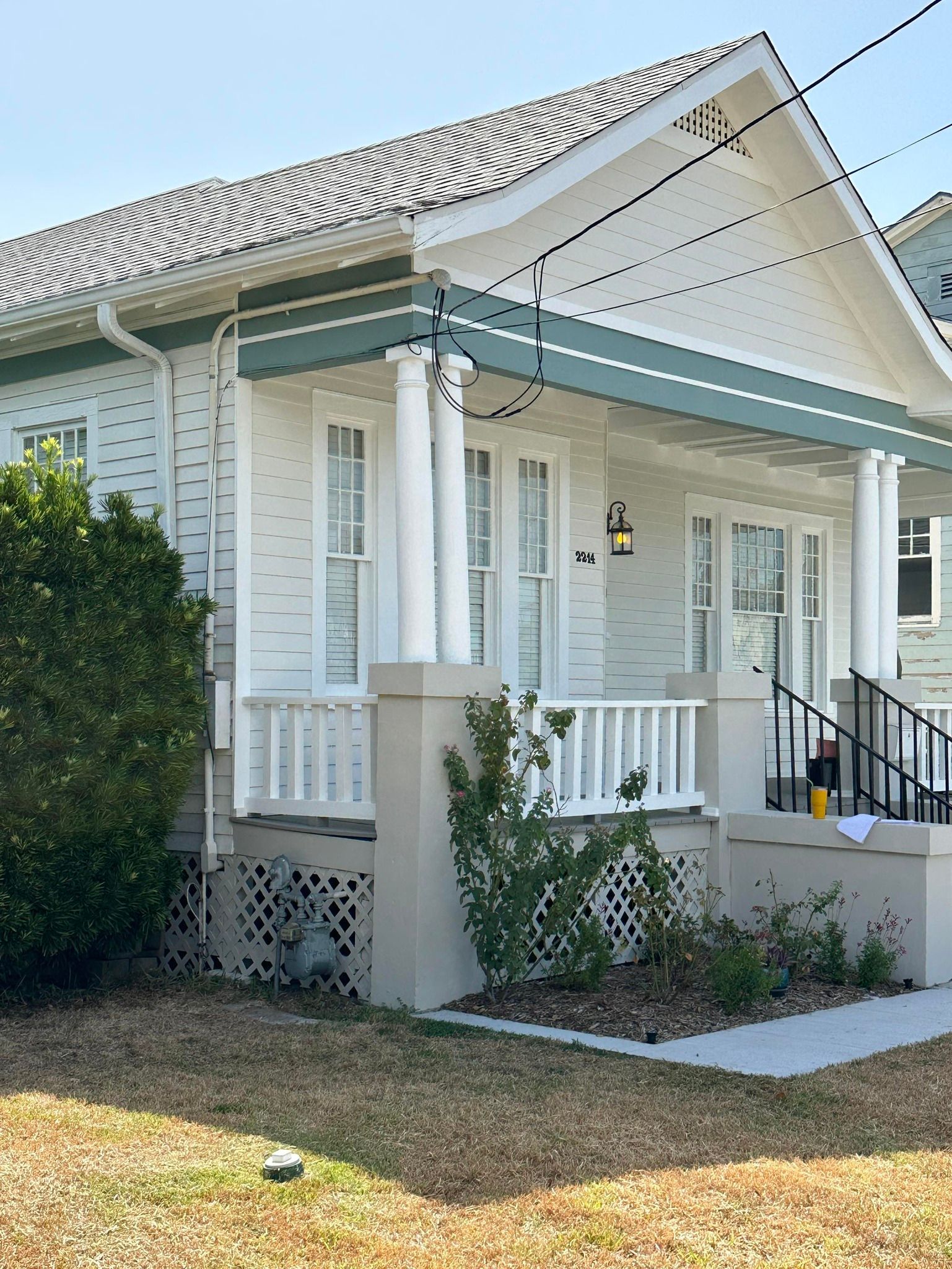
Match rooflines, windows, siding, and trim to maintain architectural cohesion.
Natural Light
Maximize daylighting with strategically placed windows and skylights.
Storage Solutions
Built-in storage in additions enhances function and reduces clutter.
Open Transitions
Consider how the addition connects to existing spaces—floor continuity and sightlines increase usability.
Energy Efficiency
Use insulated assemblies, efficient windows, and modern HVAC controls to limit operating costs.
Project Timeline Examples
Small Bump-Outs: 4–8 weeks.
Single-Room Additions: 8–12 weeks depending on foundation work and utilities.
Second-Story Additions or Major Additions: 3–6+ months, considering permitting and structural work.
Key Considerations for Additions in Coastal/ Gulf Areas
Flood Zone Compliance
Elevation and foundation design might be required if your property is in a flood zone.
Corrosion Resistance
Materials and hardware should resist salt air.
Drainage and Site Grading
Proper site drainage is essential to prevent water intrusion around new foundations.
HVAC Sizing
Larger homes often need HVAC system evaluation and potential upgrades for comfort and efficiency.
Frequently Asked Questions
-
Are additions expensive compared to moving?
While additions can be costly, they often make financial sense versus the costs and disruption of moving—especially when you value location, school districts, or community ties.
-
Do additions require permits?
Yes. Additions typically require architectural plans, structural engineering, and permits. TCB handles permitting and coordinates inspections.
-
How do you ensure the addition matches the existing home?
We study existing materials, roof lines, and architectural details to match finishes and proportions so the addition looks integrated.
-
Will an addition increase my property taxes?
Adding square footage typically increases assessed value and property taxes. We recommend consulting your local appraisal office for specifics.
-
Can you convert a garage into living space?
Yes. Garage conversions are a common way to add functional living area. We address insulation, floor elevation, HVAC, and plumbing to meet code and comfort standards.
